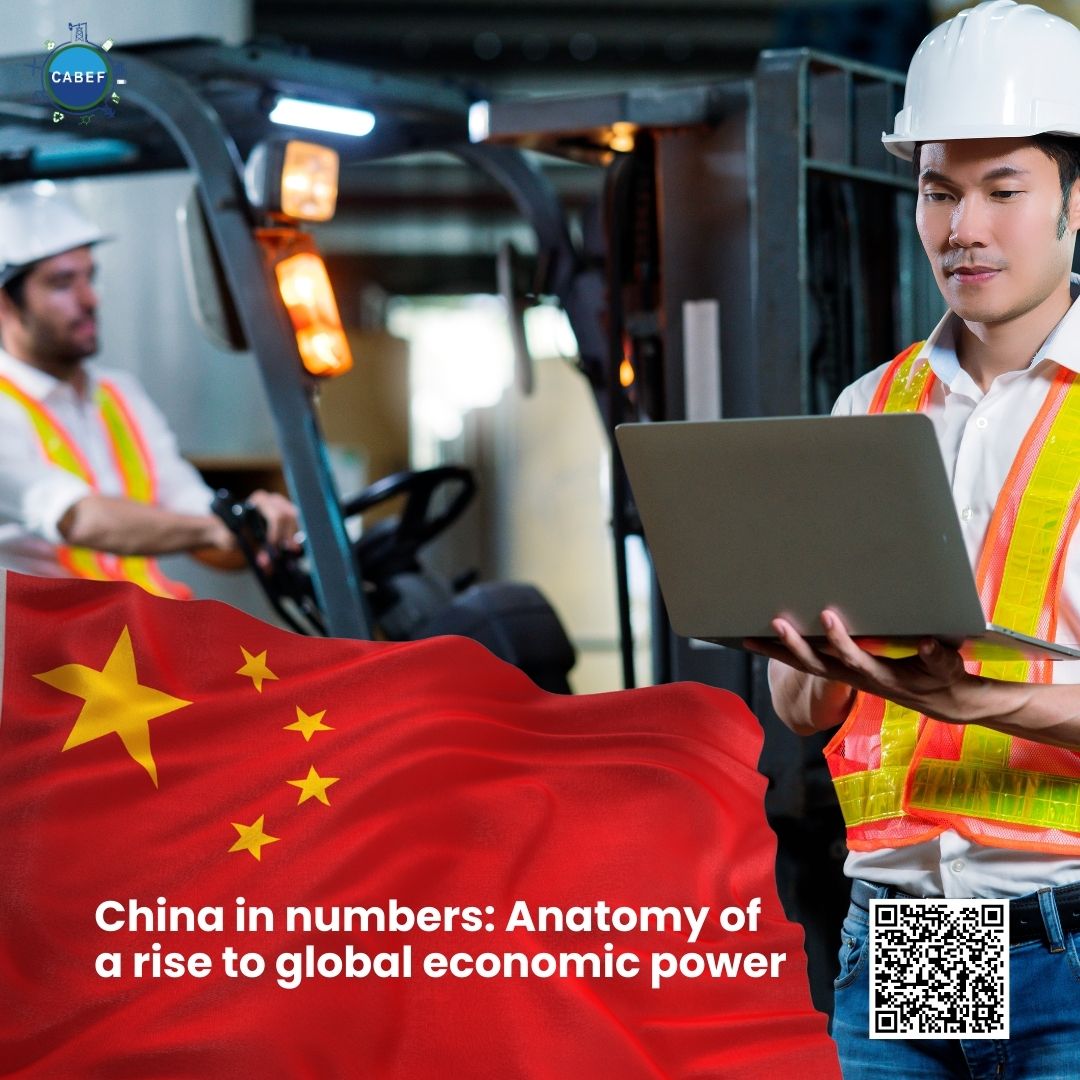
In a constantly evolving world, China has established itself as a major economic force, reshaping global balances. From its position as the world’s second-largest economy to its leading role in supply chains and international financing, China’s influence is now predominant.
With a GDP reaching approximately $20 trillion in 2025 and a growth target for 2026 between 4.5% and 5%, China is not only consolidating its status as the second-largest economy in the world but also asserting itself as an essential driver of innovation and global trade. In this context of global economic transformation, understanding the mechanisms of this power is essential for any economic stakeholder. For professionals in the energy sector, this understanding is even more critical as CABEF (Central Africa Business Energy Forum) prepares to host its “CABEF Beyond Borders” edition in August 2026 in Dongying, China. This event represents an unprecedented strategic opportunity to establish direct connections with this economic giant and its energy advancements.
Context: The Rapid Rise of a Giant
China’s recent economic history is one of spectacular transformation. In just a few decades, the country has evolved from an agrarian economy into a leading industrial and technological power. This rise has been driven by a strategy of technological upgrading, moving from low-value assembly to the design of cutting-edge technologies. Today, China no longer simply follows global standards; it defines them, particularly in sectors such as artificial intelligence, complex infrastructure, and the energy transition. Chinese engagement in Africa, driven by the “Belt and Road Initiative,” surged by 283% in 2025 to reach $61.2 billion, illustrating a historic acceleration of its footprint on the continent.
The Economic Giant: China, the World’s Second Largest Economy
China is consolidating its position as the world’s second-largest economy, with growth now driven by strong domestic consumption and major technological advancement. China’s nominal GDP continues to narrow the gap with that of the United States (the world’s leading economic power), supported by a rapidly expanding services sector and a high-tech industry.
An impressive growth trajectory reflects the vitality of its domestic market and its ability to generate wealth on an unprecedented scale, alongside a financial strength that enables Beijing to sustain massive international investment capacity.
The World’s Factory: Industrial and Trade Supremacy
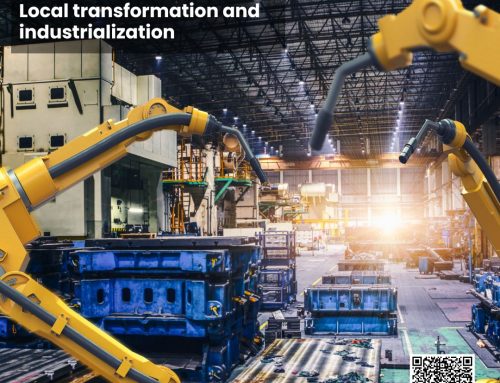
China remains the world’s leading industrial country, but its profile has radically evolved. It has shifted from a textile exporter to a global supplier of capital goods and high-tech products. In 2024, its manufacturing output accounted for 27.7% of global production.
-
Capital Goods Exporter: In 2025, Chinese exports to Africa increased by 25.8%, driven by machine tools, transport equipment, and digital infrastructure.
-
Record Trade Surplus: With a surplus of $1.192 trillion in 2025, China has unmatched financial firepower to support its export-oriented companies, particularly in strategic sectors such as energy in Central Africa.
The World’s Banker: Leading Bilateral Lender
Beyond its commercial role, China has also become the world’s leading bilateral lender, surpassing traditional multilateral institutions in many regions.
-
Loan Volume: China allocates approximately $140 billion per year in loans and credit worldwide;
-
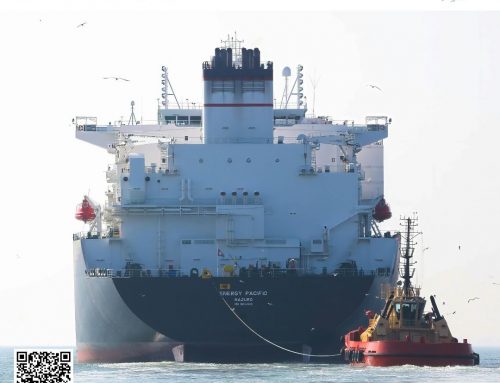
Energy Focus in Africa: Between 2000 and 2023, China lent $43 billion to African countries specifically for the electricity sector, including $28 billion for energy production;
-
Debt and Restructuring: In 2025, developing countries are expected to repay $35 billion to China. This creditor position gives Beijing significant political and economic influence over the development policies of partner countries.
Master of Supply Chains: Leader of the Energy Transition
China is the central and indispensable player in global energy supply chains. It controls not only production but also the technologies and critical minerals required for the transition.
-
Green Energy: The world’s leading producer of renewable energy (wind, solar panels, batteries) and the undisputed leader in low-carbon technologies. In 2025, China installed 317 GW of new photovoltaic capacity, accounting for more than 67% of global additions;
-
Storage and Batteries: Chinese battery production now exceeds 1,500 GWh, flooding global markets and making storage technologies widely accessible;
-
Critical Minerals: China dominates the processing of rare earths and strategic metals (lithium, cobalt), essential materials for advanced technologies, including electric vehicle batteries and smart grid infrastructure.
Its 2026 energy strategy emphasizes AI integration, strong government involvement, and the exploitation of critical minerals.
CABEF Beyond Borders 2026 in Dongying: A Gateway to Chinese Energy Opportunities
The organization of CABEF Beyond Borders 2026 in Dongying, China, from August 28 to 30, 2026, represents a major strategic opportunity for energy sector stakeholders in Central Africa. Dongying was not chosen by chance; it is a strategic energy hub in China, home to the Shengli oilfield. This field plays a key role in the coordinated development of traditional oil and gas industries, new energy sectors, and low-carbon green industries.
Participating in CABEF in Dongying offers major strategic advantages for Central African energy stakeholders, enabling them to:
• Access Shengli oilfield expertise: Dongying, the host city, is the cradle of the Shengli oilfield, a key player in integrating fossil and renewable energy. This provides a unique opportunity to observe China’s energy transition strategies in practice and explore integrated development models.
• Establish technological and industrial partnerships: China leads in green technologies (wind, solar, batteries) and AI integration in the energy sector. CABEF will serve as a key platform to initiate collaborations, promote technology transfer, and attract Chinese investment into African energy infrastructure.
• Meet investors and key decision-makers: The event will facilitate direct exchanges with Chinese energy industry leaders, financial institutions, and government representatives, paving the way for financing and partnerships for large-scale projects in Central Africa.
• Understand energy sovereignty strategies: By studying China’s model of securing energy supply and developing domestic capabilities, Central African countries can draw inspiration to strengthen their own energy sovereignty and diversify their energy sources.
• Develop Africa–China synergies: The forum will act as a catalyst for discussions on aligning Central Africa’s natural resources with China’s technological expertise and investment capacity, creating mutually beneficial opportunities for sustainable growth.
Conclusion
The numbers speak for themselves: China is an economic and financial powerhouse whose influence is now inseparable from the global economy. Its position as the second-largest economy, the world’s leading industrial and exporting nation, the top bilateral lender, and a central player in energy and industrial value chains makes it indispensable.
The CABEF Beyond Borders 2026 edition in Dongying offers an exceptional platform for African energy stakeholders to connect, learn, and build strategic partnerships with this economic giant. It is an opportunity not to be missed to understand and actively participate in the energy and economic dynamics of the 21st century.
CABEF Beyond Borders 2026 in Dongying is not just a forum; it is a gateway to the future of energy.
The CABEF team

Laisser un commentaire