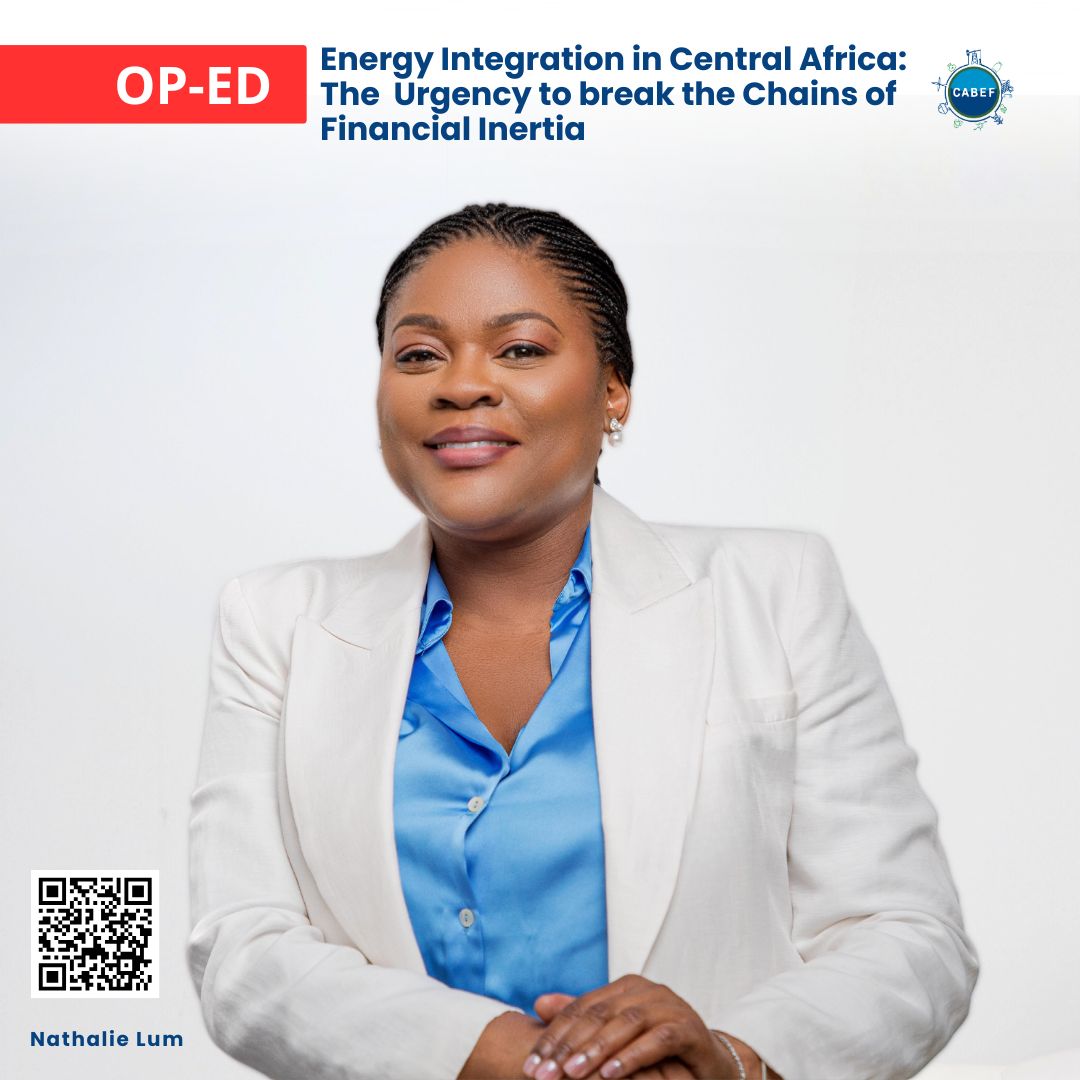
Par Nathalie LUM, Chairwoman of CABEF
Central Africa is at a turning point. In our hands, we hold the most ambitious project of the decade: the Central African Pipeline System (CAPS). This 6,500-kilometer network is not just an engineering feat; it is the nervous system of our future industrial sovereignty. Yet, as global investors finally turn their attention to our sub-region, an internal obstacle threatens to derail everything: the failure of community solidarity.
The lesson of history: From european coal to african gas
It is useful to look back at the history of major unions. Let us remember that the European Union, now one of the most powerful economic blocs in the world, was not born from abstract grand speeches, but from a concrete industrial reality: the European Coal and Steel Community (ECSC).In 1951, nations that had only recently been in conflict chose to pool their most strategic resources — coal and steel — to make war impossible and prosperity inevitable. CAPS is our “ECSC.” What coal and steel did for Europe, gas and oil must do for Central Africa.
A new energy axis: From Luanda to Lagos
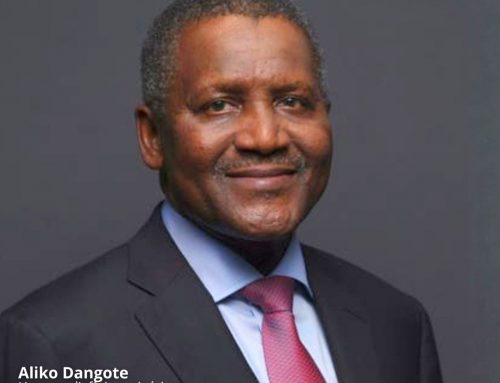
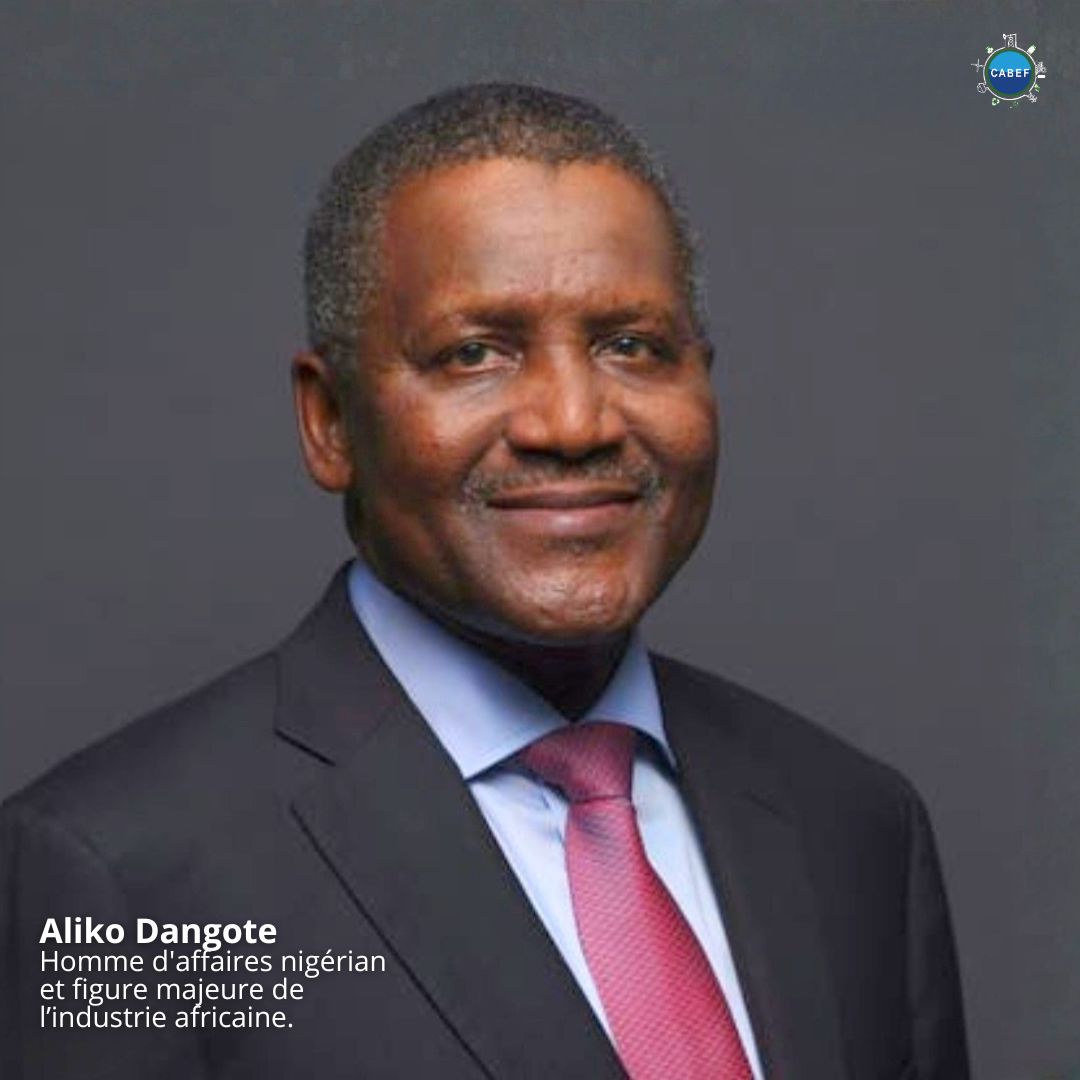
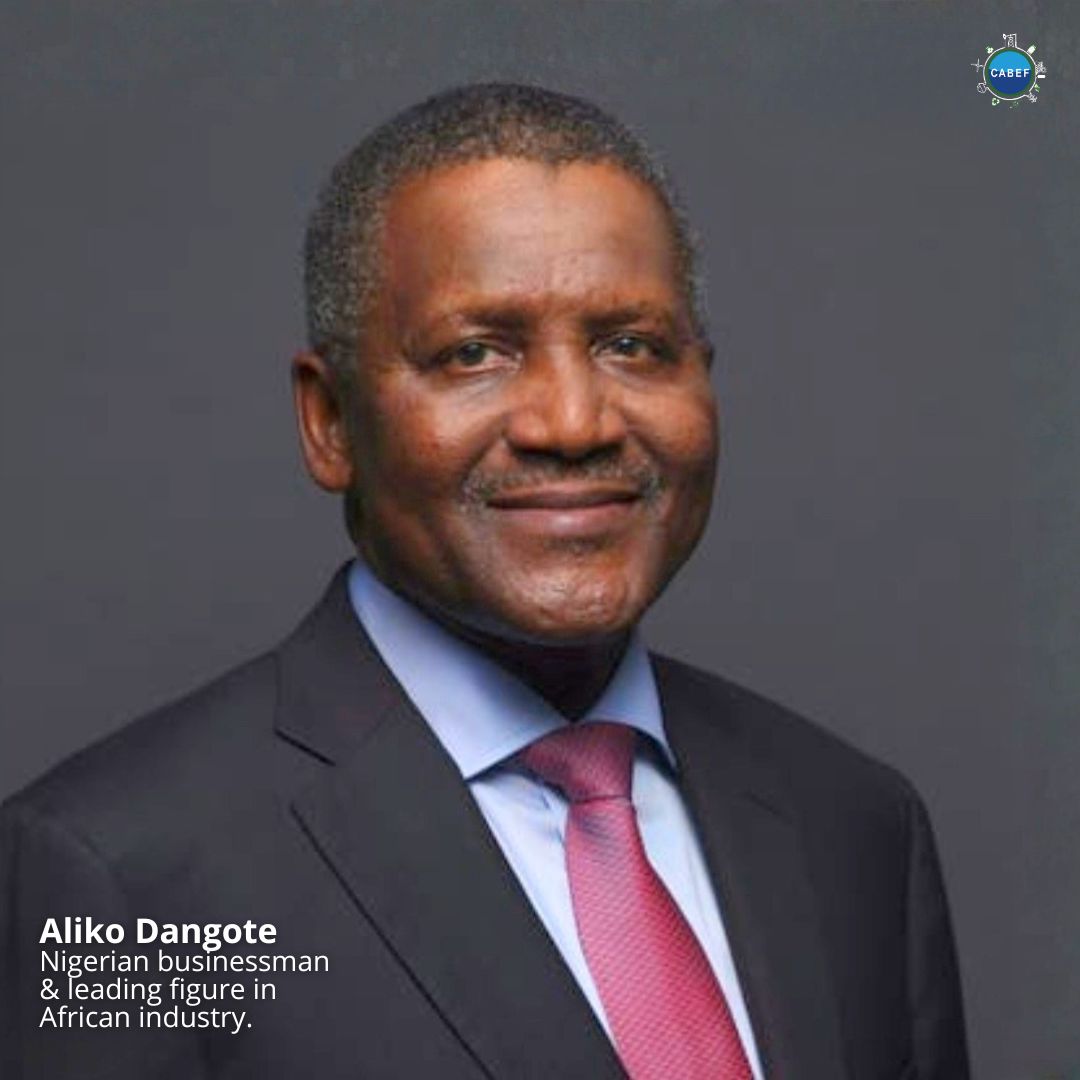
Today, Africa’s energy landscape is being reshaped before our eyes. With the rise of Angola’s refining capacity and the monumental emergence of Nigeria’s Dangote refinery — the largest in the world — the center of gravity has shifted.
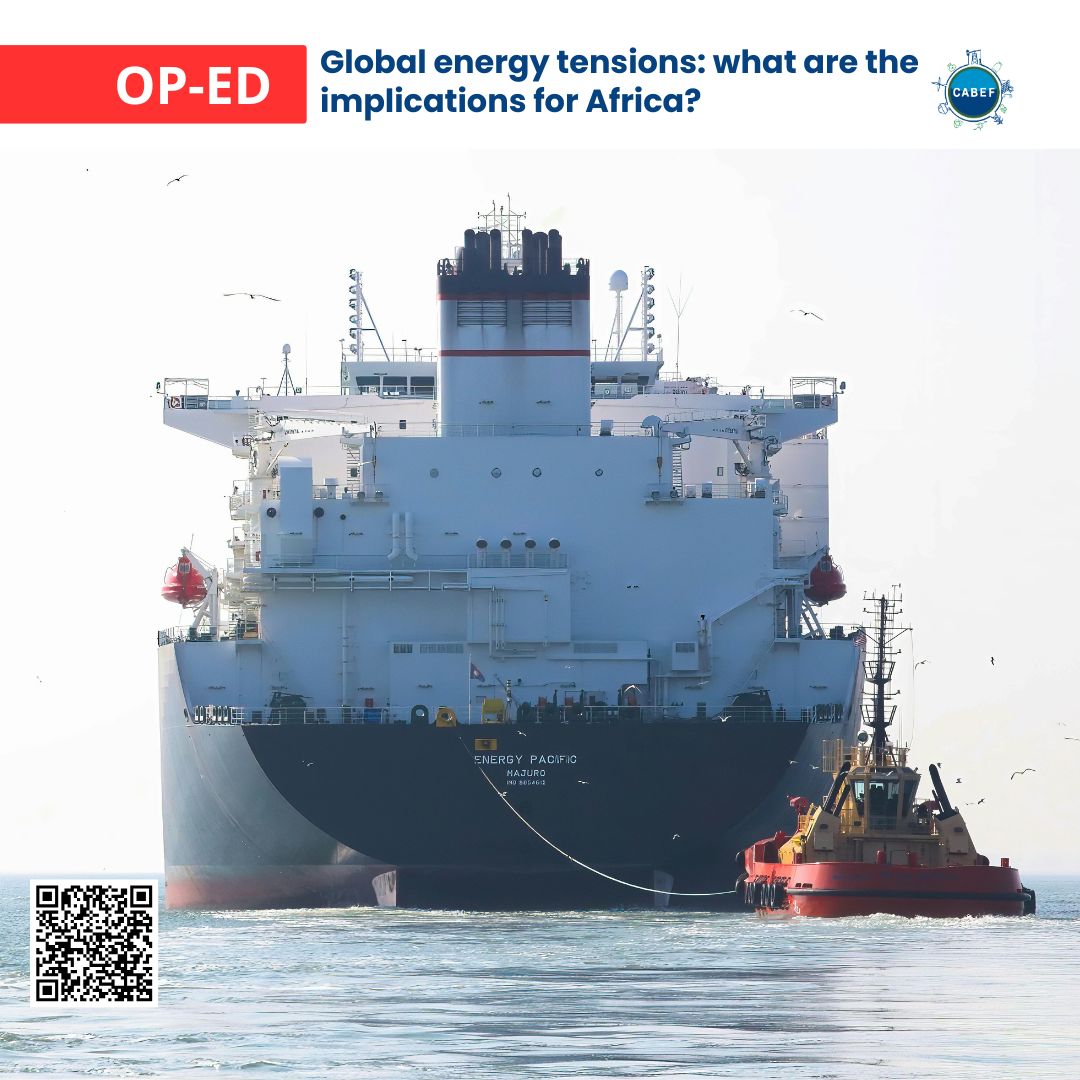
Africa can no longer afford to remain merely a crude reservoir for the rest of the world while importing its own refined products. CAPS is the missing link that will connect these industrial giants to our sub-region. Imagine a Central Africa where crude oil is no longer just an export commodity, but the lifeblood that fuels an interconnected network, transforming our local resources into accessible fuel for our industries and households.
The “Hold-Up” of the CIT: A brake on Ambition
The historic tripartite agreement we sealed with the CEMAC Commission and APPO symbolized this commitment to unity. But today, this engine is sputtering. The non-remittance of the Community Integration Tax (CIT) by Member States has placed the Commission in a state of budgetary suffocation. By suspending its activities on February 7, the entire CAPS standardization process has come to a halt.
Every day of delay sends a negative signal to the markets. We cannot ask the private sector to finance multi-billion-dollar infrastructure if the institutional guarantor lacks the means to even open its offices.
CAPS, a Resource for the Community
At CABEF, we refuse to accept fatality. If the CIT is in crisis, let us make CAPS part of the solution. Just as the ECSC helped stabilize European economies, CAPS can become a sustainable resource for our Community. By creating mechanisms for direct levies on energy flows and securitizing future transit revenues, we will provide CEMAC with new financial independence.
My call to Heads of State
Today, I call on the leaders of the sub-region: integration cannot be built on credit. Let us honor our financial commitments to CEMAC — this means investing in the viability of CAPS. It means choosing, like the founding fathers of Europe, to build growth on the solid foundation of our shared resources, in synergy with giants such as Dangote.
CABEF is ready. The partners are ready.
The project is mature. All that is missing is the political will to unlock community resources so that Central Africa can finally power itself by its own means.
.
Nathalie Lum
Chairwoman of CABEF

Laisser un commentaire