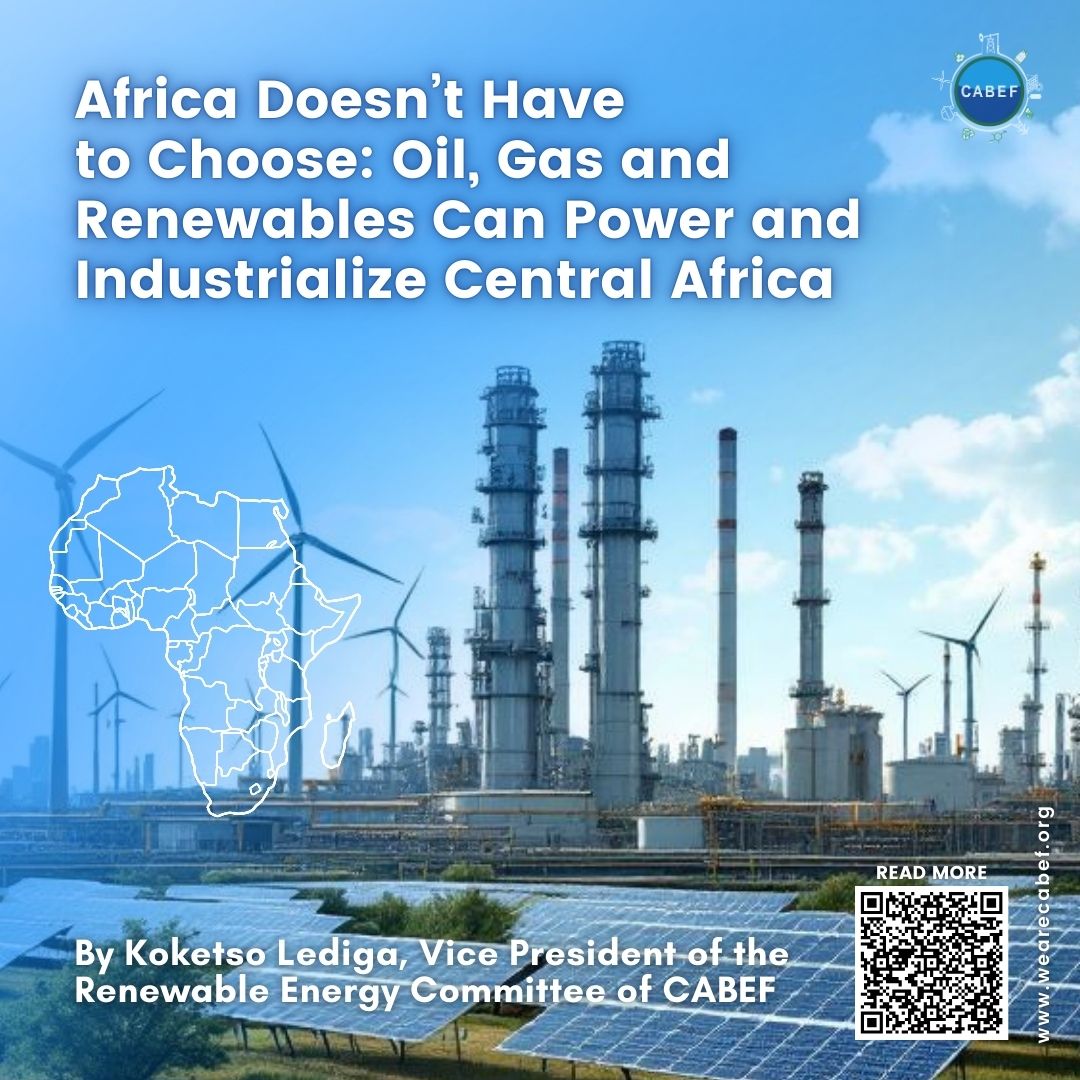
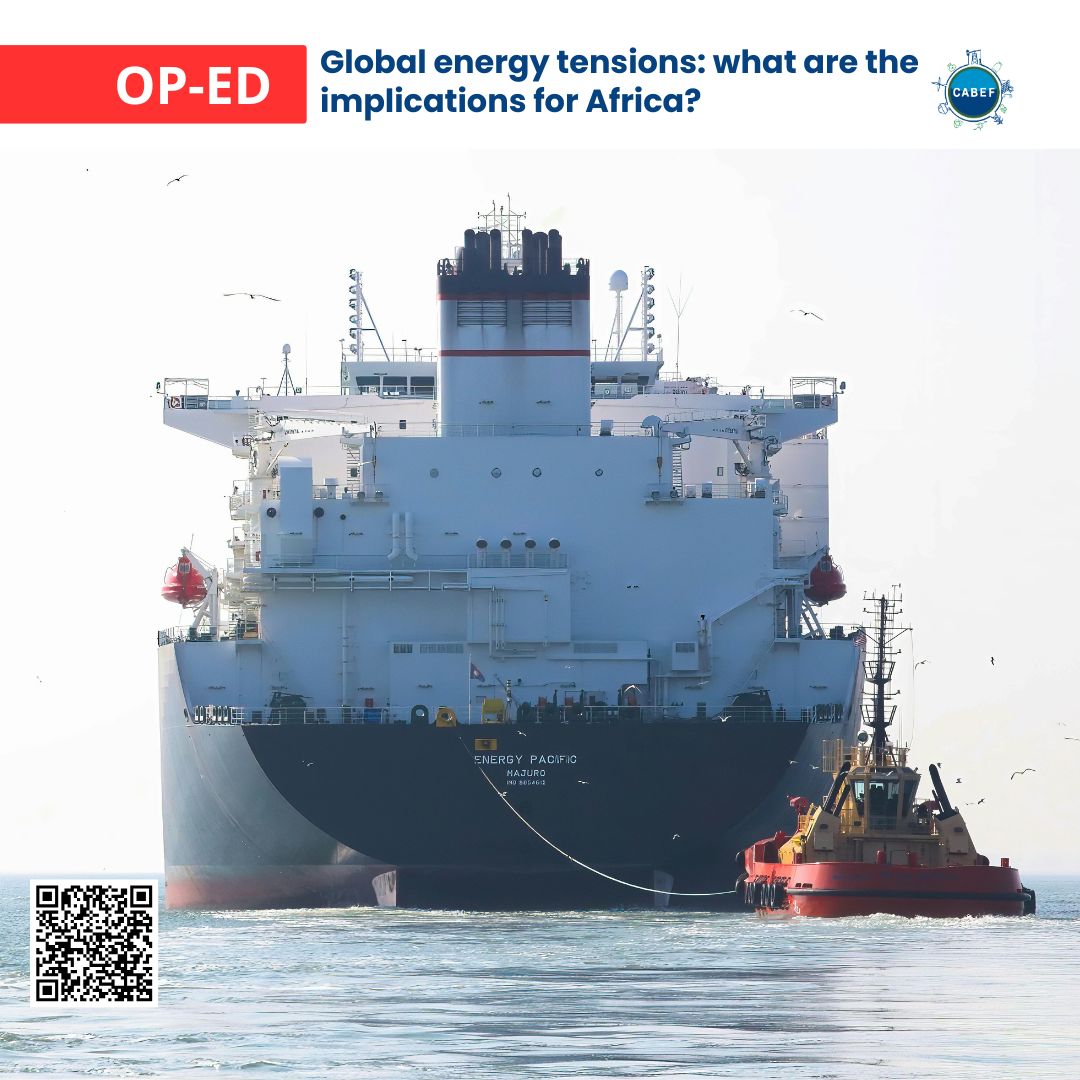
 A recurring misconception in discussions about Africa’s energy transition is the assumption that the continent must choose between leaving oil and gas resources underground and focus on developing and expanding its renewable energy capacity or focus on its oil and gas resources and neglecting investing in renewable energy. This framing is inaccurate, unhelpful towards the achievement of Africa’s just and sustainable energy transition. African economies, particularly in Central Africa, require a balanced, diversified approach that reflects both current national realities and long-term sustainability objectives.
Oil and gas remain central to government revenues, national budgets, and regional infrastructure systems. They support fiscal stability and provide the financial base for development planning. It would be impractical and economically disruptive for resource-dependent states to abruptly abandon these sectors. At the same time, the continent cannot ignore the global rise of clean energy, the need for lower-carbon development pathways, and the strategic advantages of building resilient, decentralised renewable energy systems.
CABEF’s work and advocacy reflects this duality. The Central African Pipeline System (CAPS) strengthens regional energy logistics, enhances security of supply, and supports intra-African trade. In parallel, the newly launched Central Africa Renewable Energy Solutions (CARES) initiative will focuse on accelerating renewable energy deployment, improving regulatory environments, and supporting countries that seek to diversify their energy mix.
These two programmes are not mutually exclusive / contradictory. They are complementary pillars of a broader energy strategy. CAPS addresses current demand and infrastructure limitations, while CARES positions the region for future competitiveness, investment attraction, and climate-aligned growth. A pragmatic transition for Central Africa requires the coexistence of hydrocarbons and renewables. This requires coordinated regional cooperation, development of legal and policy framework that promotes and guarantees stability and targeted long-term planning.
I cannot stress this enough, Africa in general and Central Africa in particular does not need to choose between oil & gas, and renewables. More effort needs to be put into integrating the two in a way that supports economic development today and energy security tomorrow. As CABEF continues its work across the region, our focus remains on ensuring that diversification, we urge the international market to not view this as a trade-off, but as a strategic pathway toward a sovereign, resilient, and sustainable energy future.
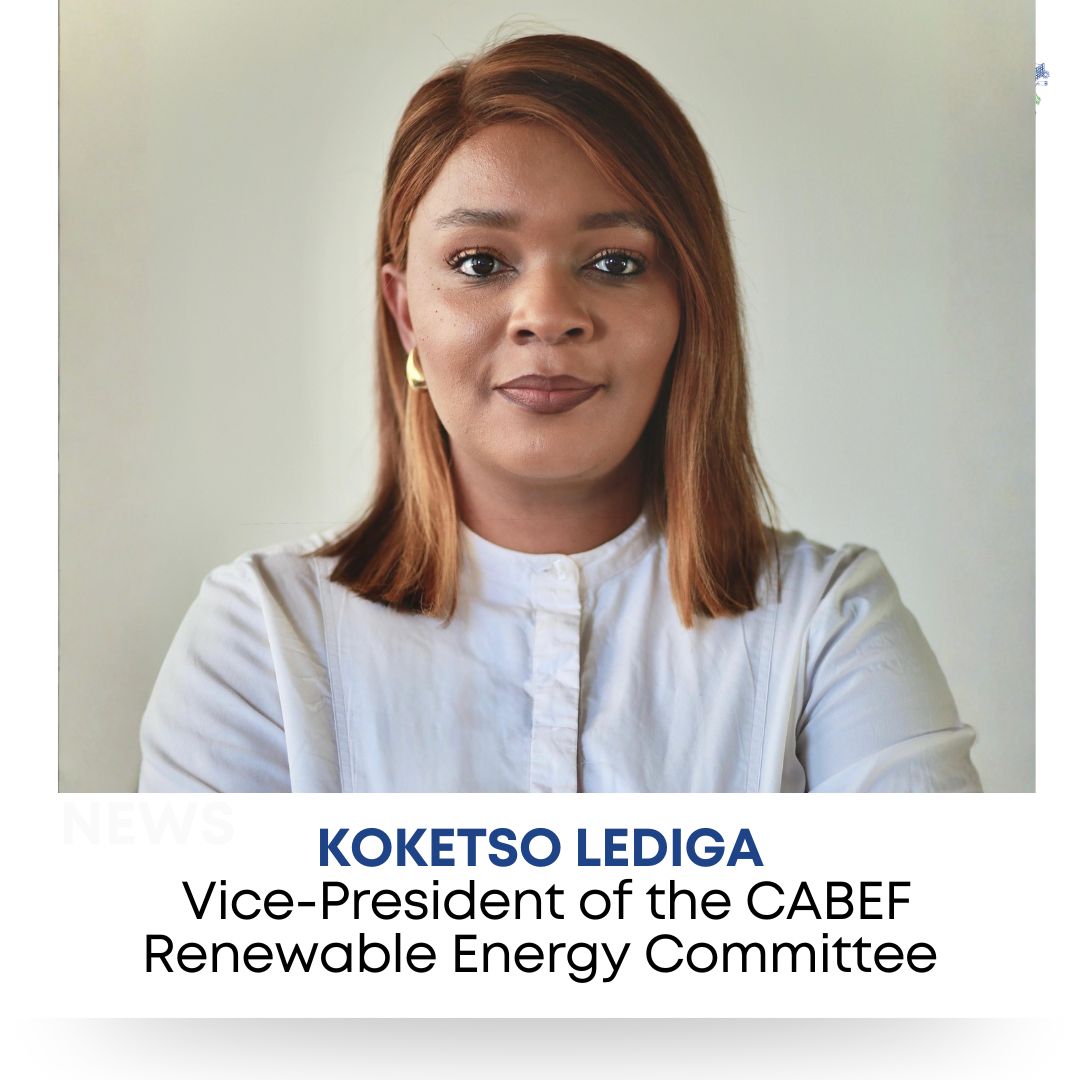
Koketso Lediga
Vice President, Renewable Energy Committee- CABEF
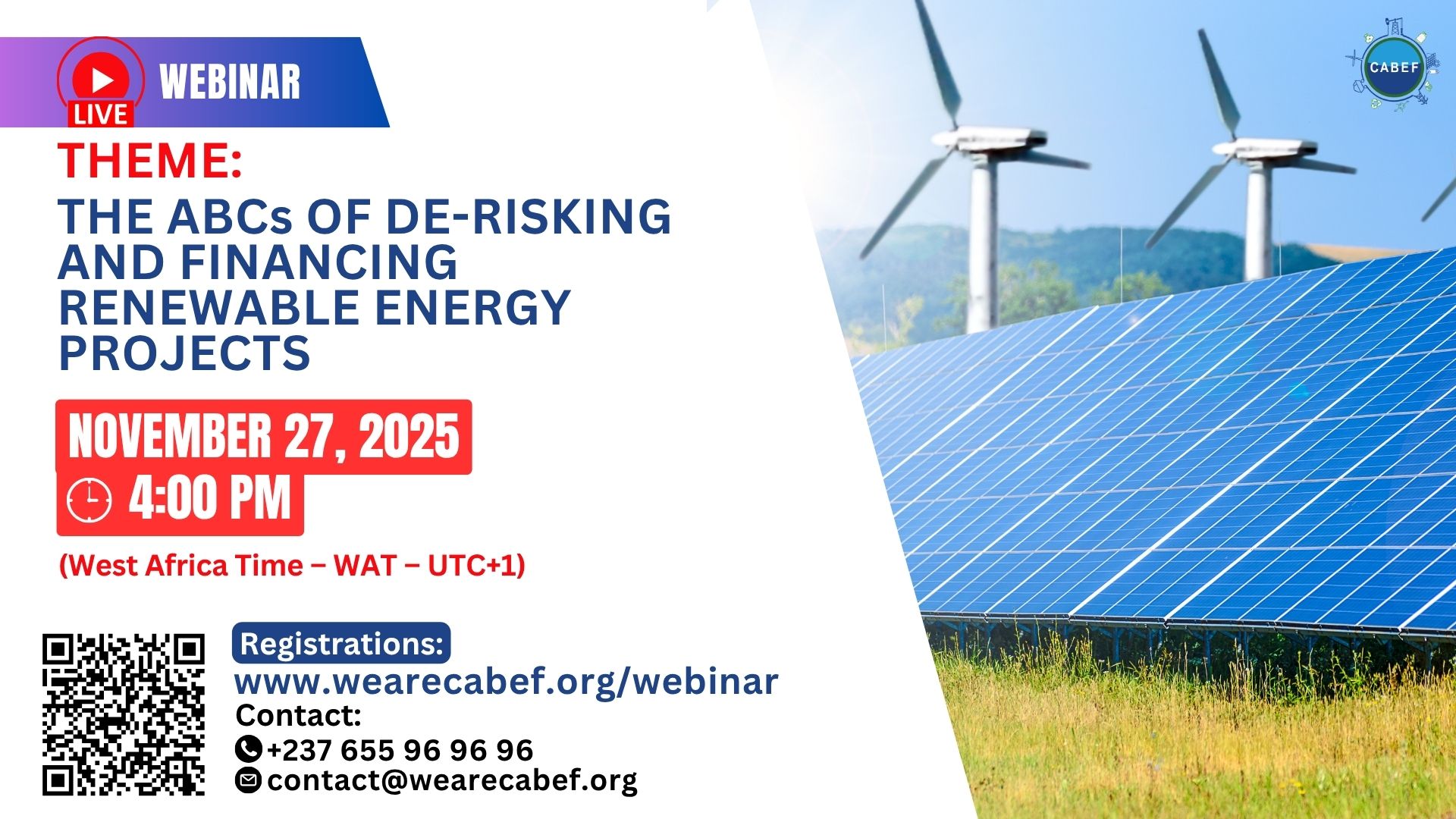
CABEF invites you to an exceptional webinar on the theme:
The ABCs of Financing and De-Risking Renewable Energy Projects
📅 Thursday, 27 November 2025
🕓 4:00 PM (WAT – UTC+1)
💻 Format: 100% virtual
Experts, decision-makers and field practitioners will share their insights and expertise.
This interactive session will explore financing mechanisms, de-risking tools and opportunities for regional cooperation around clean energy.

Laisser un commentaire