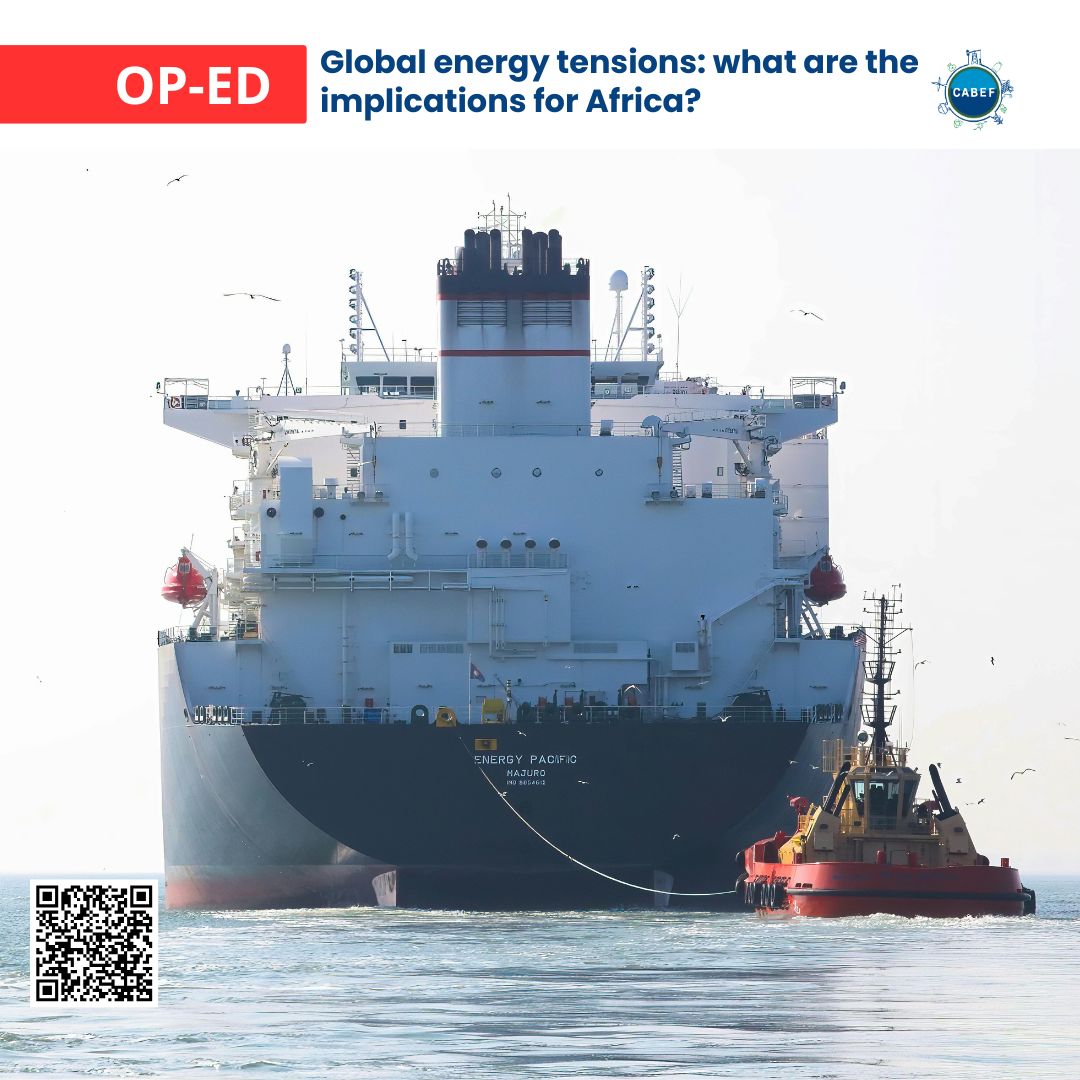
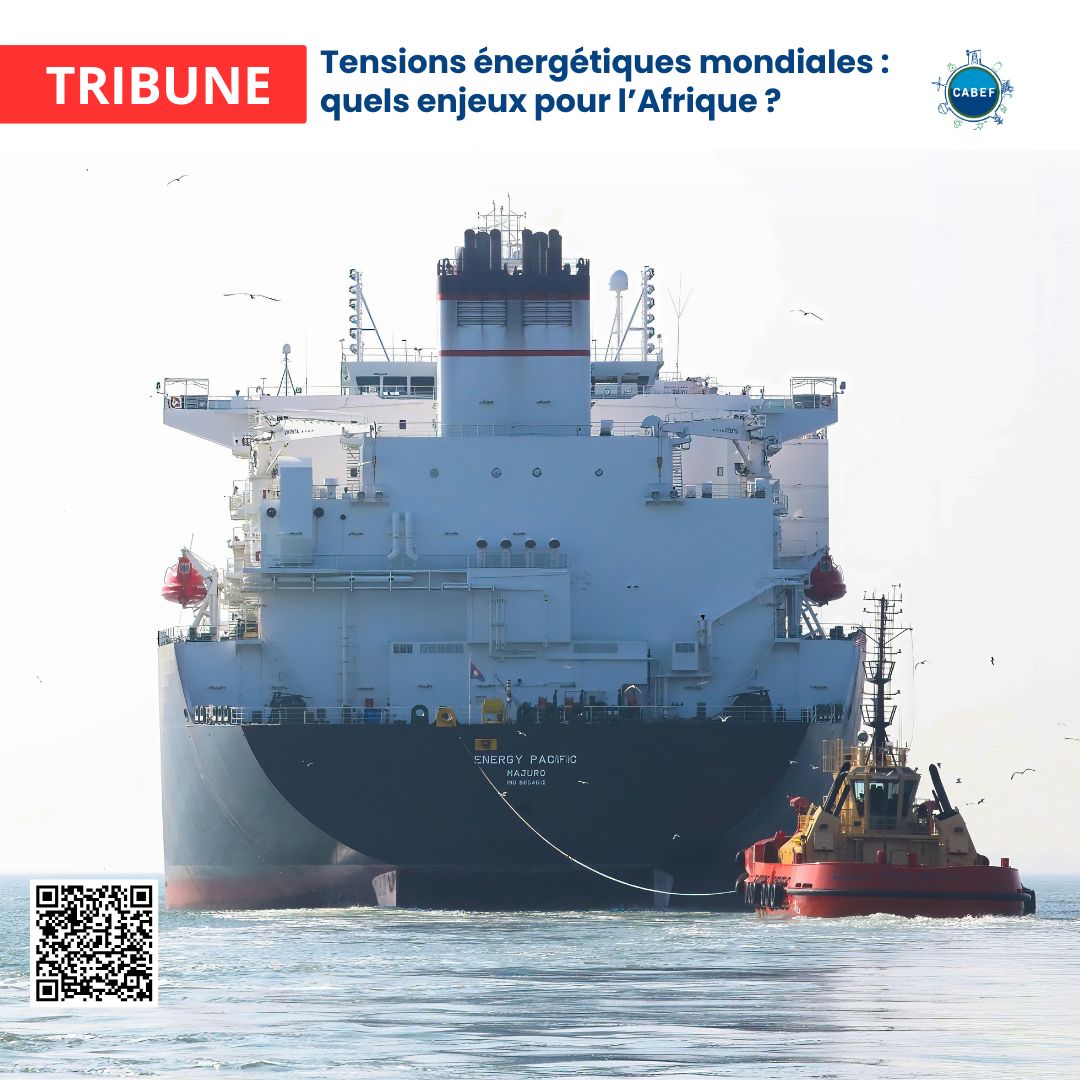
International energy tensions are not distant phenomena for Africa. They act as energy, logistical, and budgetary shockwaves. When certain strategic regions of the world come under pressure, oil markets adjust, maritime routes tighten, and costs increase. At the core of these global dynamics are several strategic corridors that structure international energy flows. These transit points concentrate a significant share of global hydrocarbon transport, making them true barometers of the world economy.
A structural vulnerability for Africa
For many African countries, this situation immediately translates into rising fuel prices, higher inflation, and increased pressure on public finances.
The continent is particularly exposed:
- 38 African countries are net oil importers
- The energy bill exceeds $110 billion annually
- In some countries, energy accounts for up to 15% of GDP
In other words, tensions in international energy markets very quickly turn into an economic crisis in Africa.
An African paradox
Africa holds significant oil and gas resources. Yet it remains vulnerable due to insufficient infrastructure for refining, storage, and distribution. More than 600 million Africans still lack access to electricity, highlighting a deep imbalance between resource wealth and actual energy access. This is the core paradox: producing energy is not enough, it must also be transformed, distributed, and secured.
What global energy dynamics reveal
Global energy dynamics highlight a major strategic reality:
👉 Africa does not depend solely on specific strategic transit points
👉 But rather on the global energy system as a whole
Even countries that do not source supplies directly through certain maritime routes are affected by these tensions. Why?
Because oil is a global market. When global supply is disrupted, prices rise everywhere.
As a result, tensions in international energy flows can lead to:
- Oil price increases of 30% to 80%
- A barrel reaching $120 to $150
The consequences are immediate: inflation, rising transport costs, and pressure on public finances.
CAPS: a structural African solution
In this context, the Central African Pipeline System (CAPS) emerges as a strategic response. CAPS has been designed as a regional system to transport, store, and distribute energy to meet the needs of governments and industries.
It goes beyond pipelines. The project also includes LNG terminals, storage facilities, pumping stations, refineries, and power plants. In short, it aims to build a true regional energy backbone.
A direct response to global crises
CAPS would:
- reduce dependence on distant energy imports
- secure energy supply across countries
- strengthen storage capacity
- support industrial development
Because Africa relies more on its own interconnections than on external maritime routes, it can progressively reduce its exposure to geopolitical shocks.
From infrastructure to sovereignty
CAPS is more than an infrastructure project. It is a tool for energy and economic sovereignty. In an unstable world, the ability to produce, transport, and distribute energy regionally becomes a key factor of stability.
The war in Iran highlights an urgent reality: Africa can no longer rely solely on external systems to secure its energy.
Conclusion
Africa does not choose global crises, but it bears their consequences. Rising oil prices, inflation, economic pressure: the impacts are immediate and tangible.
In response, CAPS offers a clear path forward:
integrate, secure, and maximize Africa’s energy resources to build long-term resilience.
In a world of uncertainty, energy is no longer just a resource.
It is a strategy.
The CABEF team

inflation de prix de pétrole et de gaz