At a time when the global economy is being reshaped, Sino-African relations are entering a decisive phase. A major decision by China is set to profoundly transform trade and investment dynamics, creating unprecedented opportunities for African economies. Supported by strategic structuring platforms such as the Central Africa Business & Energy Forum (CABEF), through CABEF BEYOND BORDERS, this evolution positions Africa as a key player in new high-value partnerships.
Context: May 1, 2026 – A date that could reshape global trade flows
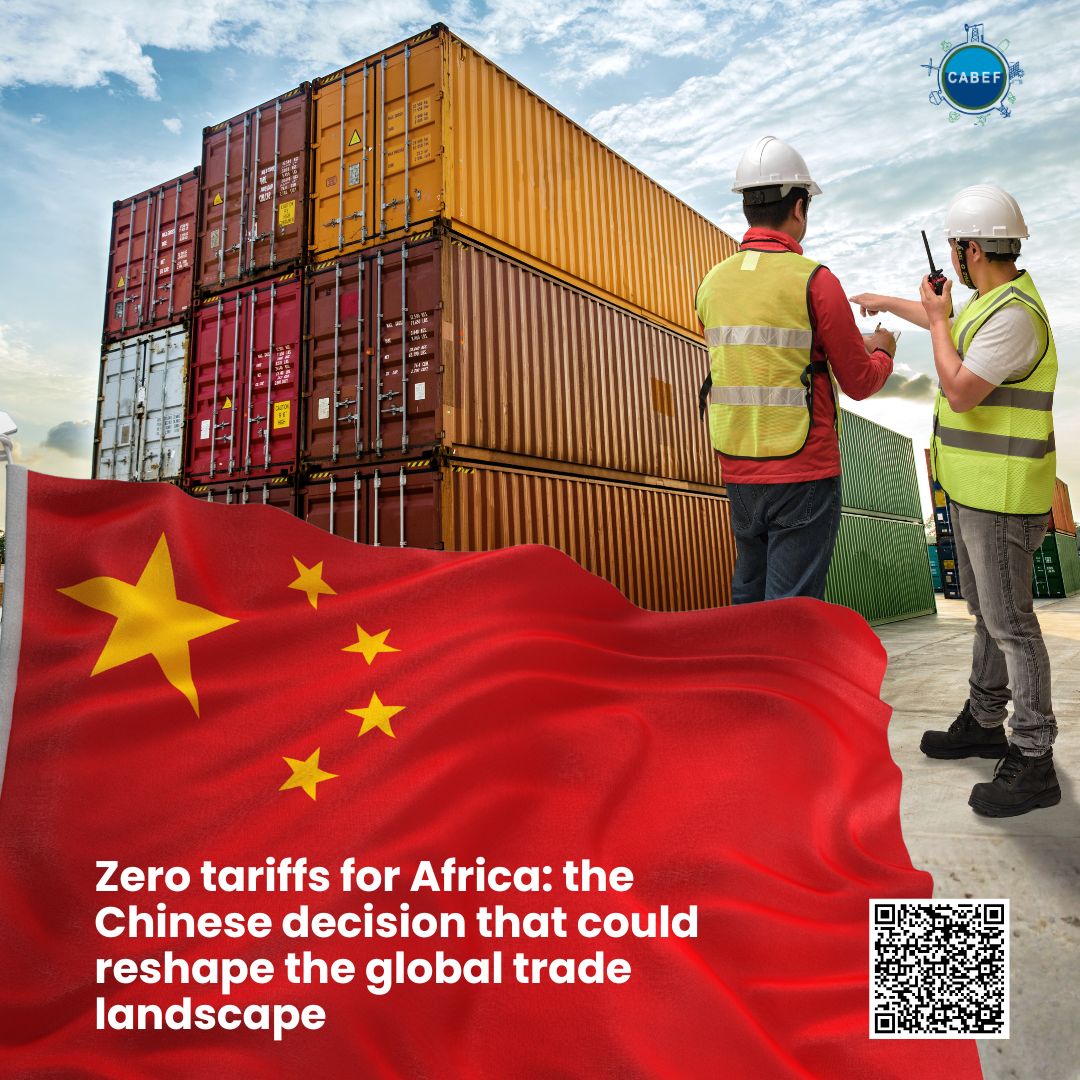
On February 14, Beijing made a strong move. President Xi Jinping announced the complete removal of tariffs on imports from 53 African countries, a measure that will take effect on May 1, 2026 [1]. This decision is part of China’s broader strategy to support African development and rebalance trade relations. It builds on a dynamic launched in June 2025 and extends a zero-tariff regime—previously granted to 33 least-developed African countries since December 2024—to all concerned nations [1].
From trade cooperation to full market access
China’s decision to eliminate tariffs is driven by several strategic factors.
It aims to rebalance the trade balance between China and Africa by encouraging African exports to the Chinese market.
It reflects a commitment to strengthening South-South cooperation and supporting the industrialization and economic diversification of African nations.
This measure also represents a strong political gesture, demonstrating China’s commitment to mutually beneficial partnerships and enhanced solidarity with the African continent [1].
Why China is making this strategic choice now
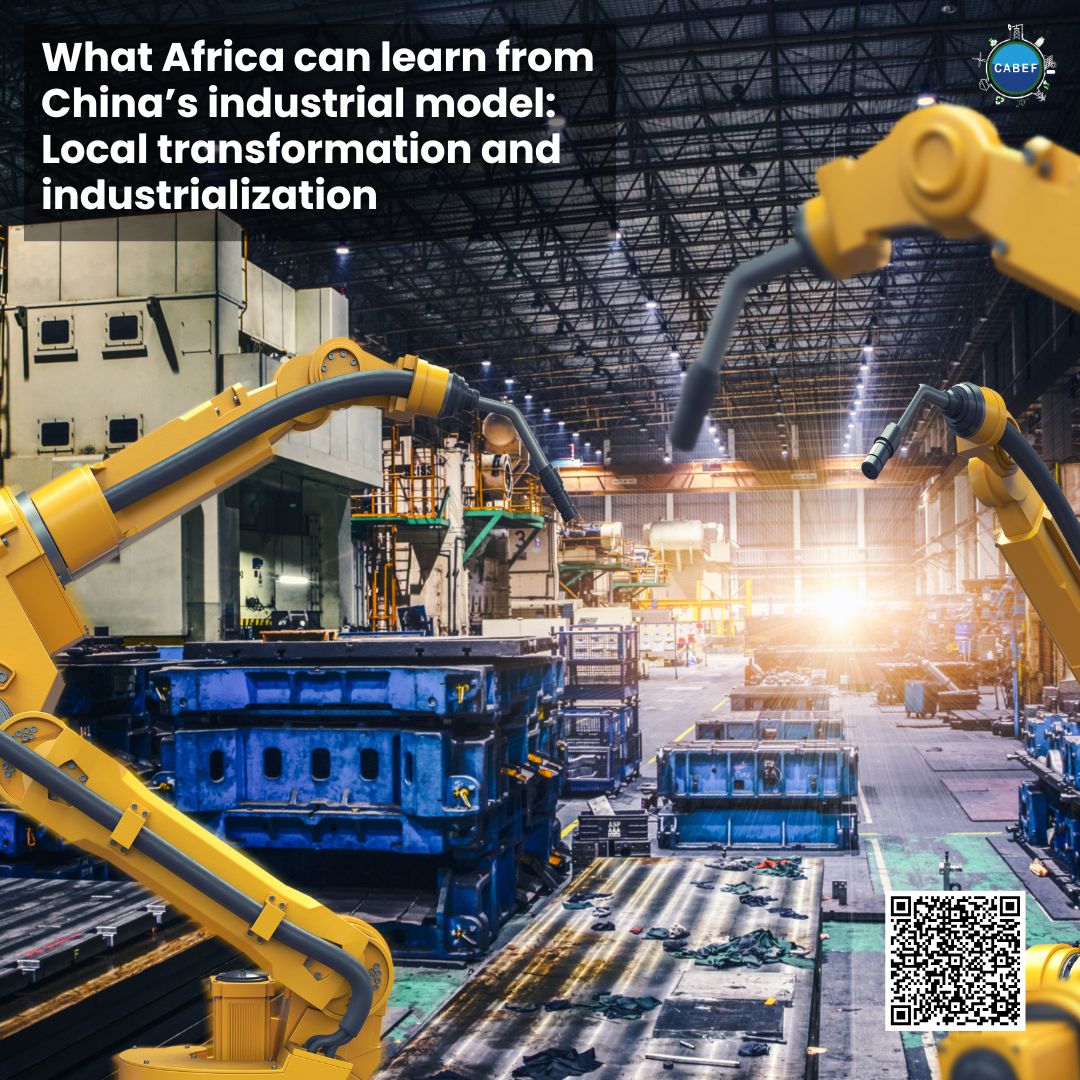
Until now, African economies have primarily exported raw materials in their unprocessed form. This measure marks a paradigm shift by encouraging value creation.
For African countries, the expected benefits are significant and structural:
Privileged access to the Chinese market: African products—whether agricultural, manufactured, or artisanal—will gain increased competitiveness in the vast Chinese market, free from tariff burdens. This now includes middle-income countries such as Kenya, South Africa, Nigeria, Egypt, and Morocco, which were previously subject to tariffs of up to 25% [1].
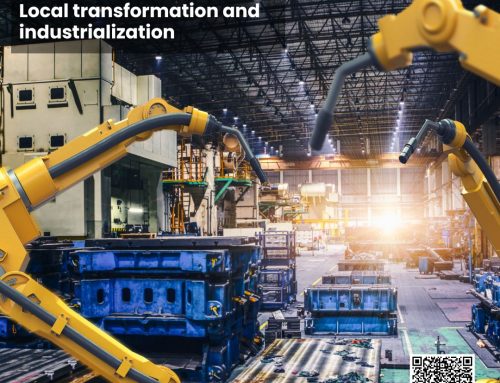
Industrialization and value addition: By facilitating exports of processed goods, the measure encourages African countries to develop production capacities and add value to their raw materials instead of exporting them in their crude state.
Economic diversification and job creation: Increased exports and the development of new industries will foster diversification of African economies, reducing dependence on a limited number of sectors and generating new employment opportunities.
Investment attraction: Easier access to the Chinese market will make African countries more attractive to both local and foreign investors seeking to establish operations on the continent to produce and export to China.
Strengthening trade capabilities: This new environment will push African companies to improve production standards and quality to meet international market requirements, thereby enhancing their global competitiveness.
Exporting to China is therefore now more profitable than ever. This represents a massive industrialization accelerator for the CEMAC and ECCAS regions.
‘’CABEF Beyond Borders 2026” in Dongying: A Strategic Opportunity for Africa in China
- Why Dongying ?
To turn these opportunities into reality, the Central Africa Business & Energy Forum is organizing CABEF BEYOND BORDERS in Dongying, a major industrial energy hub in China and the heart of the Shengli oil field.
Following a successful edition in Houston in 2025, this strategic choice reflects CABEF’s vision: connecting African projects to global investment and technology centers, and supporting African states and companies in transforming these new opportunities into concrete partnerships.
- Why participate in “CABEF Beyond Borders” in Dongying in August 2026?
Participating in this event offers numerous concrete benefits for African stakeholders:
Direct access to Chinese and international investors: The forum will connect African project developers with a network of investors, financiers, and technology partners eager to engage in Africa’s energy and economic development.
Promotion of African projects: It provides an unparalleled platform to showcase infrastructure, energy, agriculture, and other key sector projects to a strategic audience.
Facilitation of commercial partnerships: Participants will be able to explore joint ventures, technology transfers, and direct commercial collaborations while leveraging the zero-tariff environment.
Exchange of expertise and technology: The forum will serve as a space for learning and sharing, enabling African delegations to discover the latest technological innovations and best practices in sustainable development and energy—including advanced Chinese technologies (solar, green hydrogen, modular refining) at competitive costs.
High-level networking: Engage with policymakers, business leaders, and experts from both continents, building valuable connections for future development.
The CAPS Project in the Spotlight: Countries will have the opportunity to position themselves within the Central Africa Pipeline System (CAPS), CABEF’s flagship project, which will be presented to builders and partners capable of accelerating its implementation.
- The Benefits of Active Participation
Participating in CABEF Beyond Borders in Dongying ensures a seat at the negotiation table where the future of global energy is being shaped. For African companies, it means enhanced international visibility; for governments, it represents the opportunity to sign bilateral cooperation agreements without the tariff barriers of the past.
Conclusion: The Strategic Role of CABEF
China’s removal of tariffs represents a historic opportunity for African countries, providing them with the leverage needed to transform their economies and strengthen their position in global trade.
In this new context, CABEF stands out as a major strategic actor. Through initiatives such as CABEF BEYOND BORDERS 2026, the forum facilitates connections, mobilizes investment, and structures the partnerships necessary for Africa to fully benefit from the opening of the Chinese market, in the service of sustainable and inclusive growth.
“Africa is no longer merely a reservoir of resources; it is becoming a leading industrial partner.”
The CABEF team
Références
[1] La Chine lèvera ses barrières douanières pour 53 pays africains à partir du 1er mai 2026-AgenceEcofin[2]CABEF BEYOND BORDERS 2026 – CABEF

Laisser un commentaire