The curtains have closed on the high-level dialogues of the Africa Forward and the Africa CEO Forum But as the global economic spotlight shifts, the critical question remains: What happens when the talking stops?
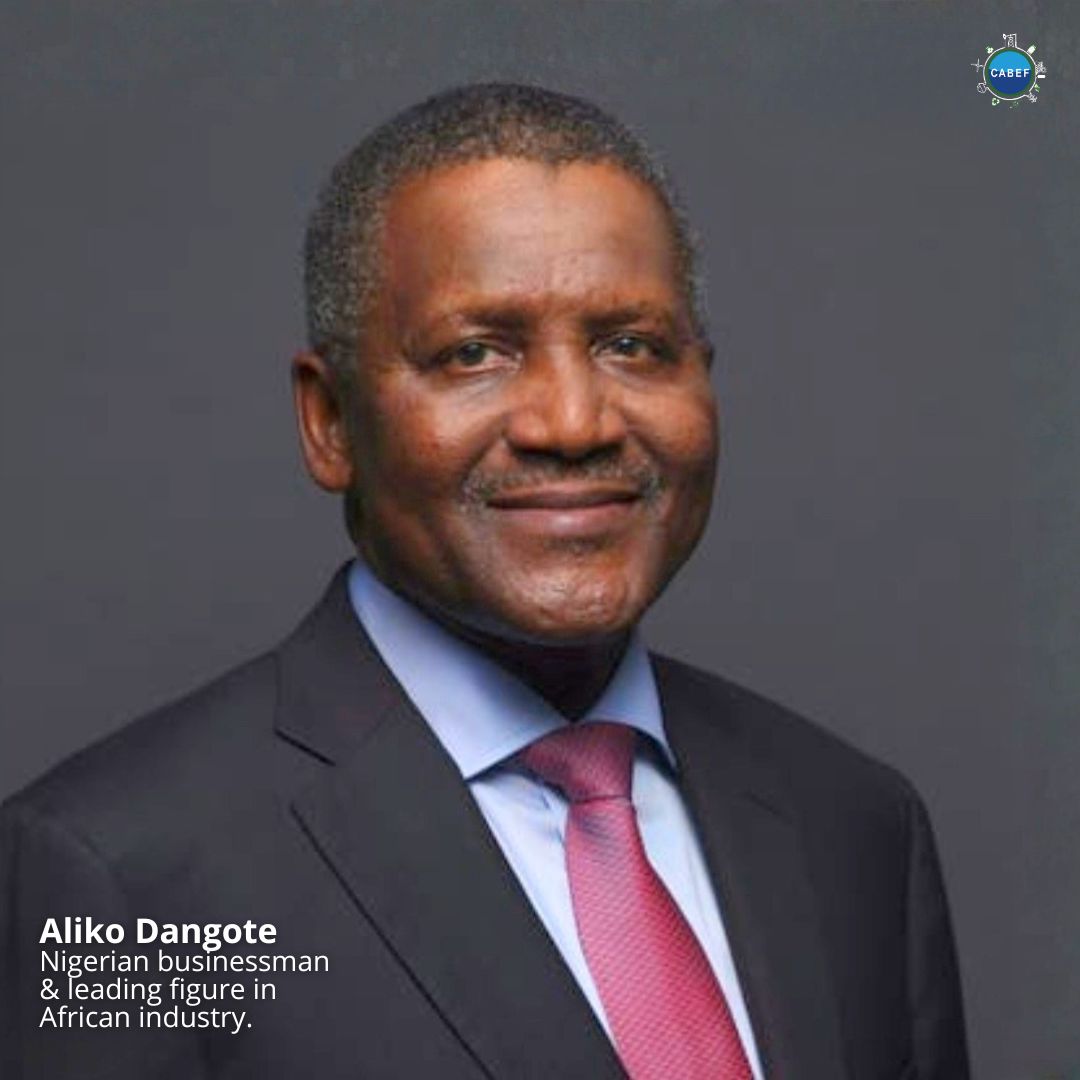
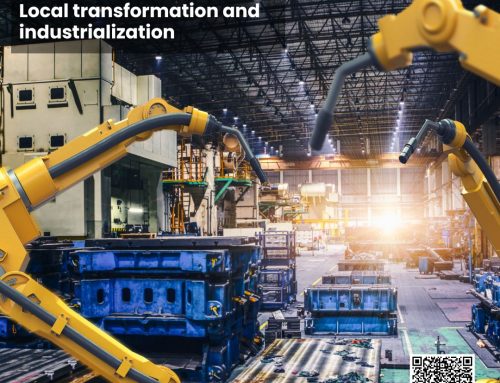
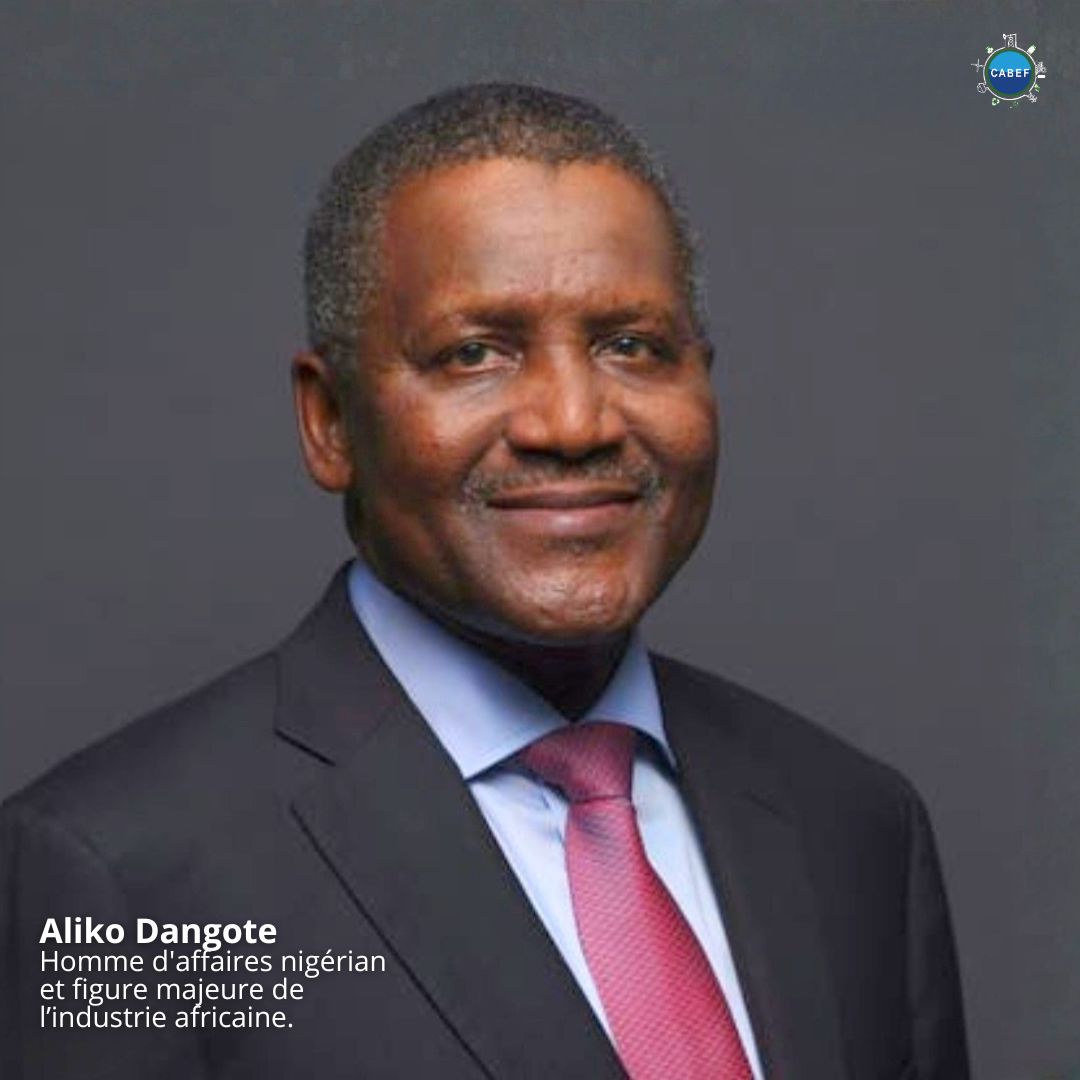
Reflecting on an interview of industrialist Aliko Dangote last Sunday underscores a reality that African leaders must boldly confront. The consensus is undeniable: The future is African, but that future must go through rapid industrialization. To achieve this, Africa does not just need gas, it needs to retain, develop, and build its own infrastructure rather than exporting its potential to fuel the rest of the world.
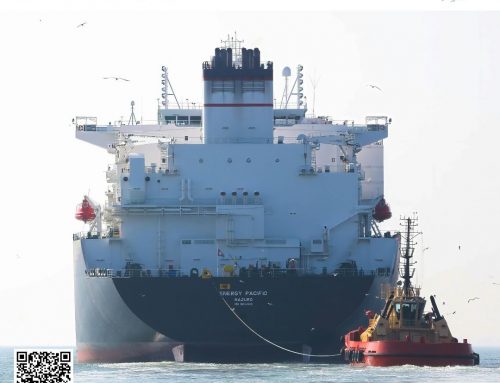
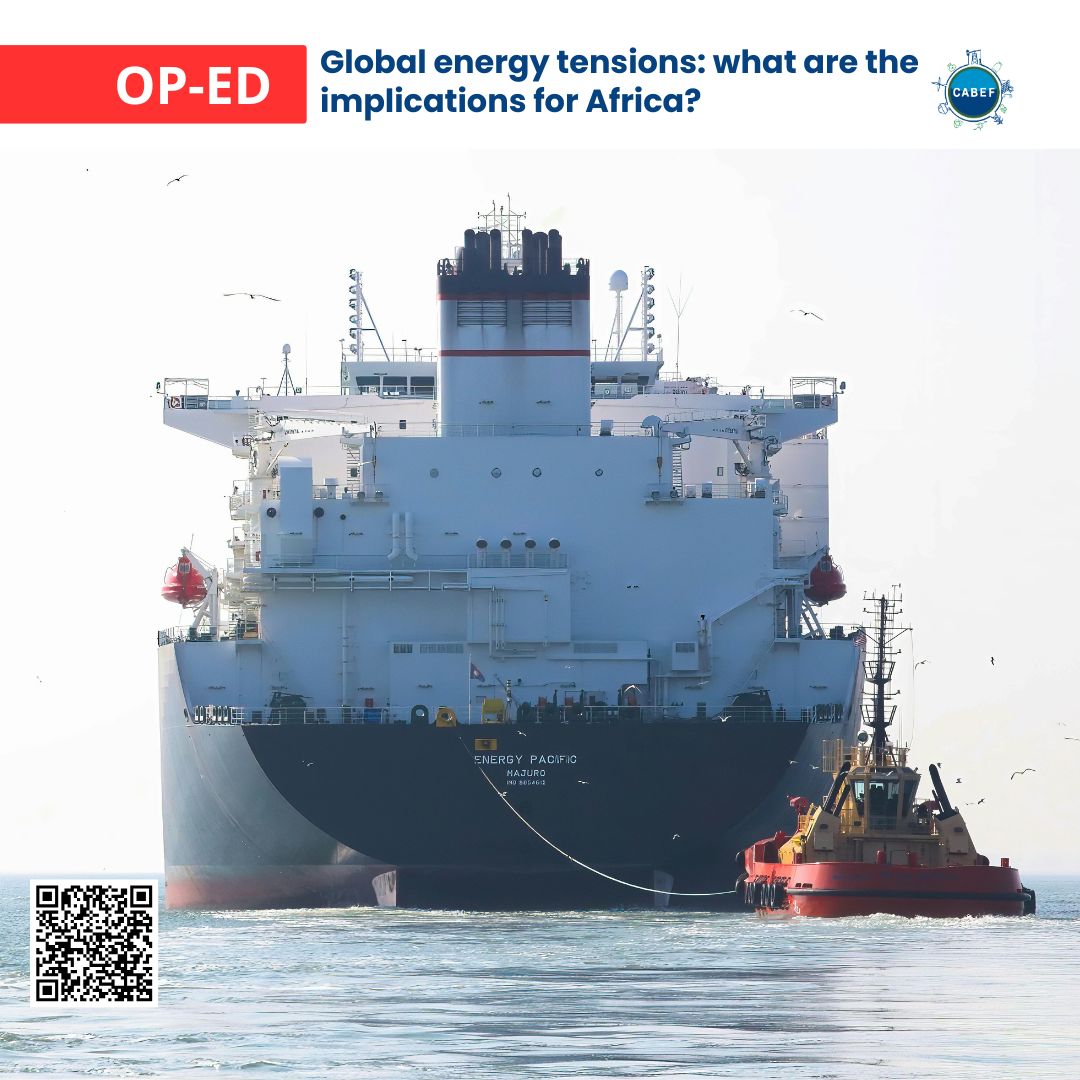
For decades, the global energy architecture has operated under a paradigm where Africa acts as the reservoir, while developed nations act as the consumers. In the wake of geopolitical shifts and the rush to transition away from fossils fuels ,Europe and other countries have aggressively African natural gas to power their own factories, heat their homes, and stabilize their economies.
The question we should ask ourselves is does Europe actually need more gas than Africa?

Africa requires gas to build its baseline reality. Without it, the continent cannot power the manufacturing plants, petrochemical industries, or smelting factories required to break the cycle of exporting raw materials and importing finished goods. Africa’s need is not a matter of convenience; it is a matter of economic survival. Let’s build infrastructure for gas our industries.
When mega-industrialists and global investors map out Africa’s economic powerhouses, the spotlight almost always lands on East, West, or Southern Africa. In recent discussions, Rwanda is frequently highlighted as a model for African growth. Noticeably, the rest of Central Africa—particularly the Francophone countries—was not mentioned by Dangote as the future of Africa.
Africa requires gas to build its baseline reality. Without it, the continent cannot power the manufacturing plants, petrochemical industries, or smelting factories required to break the cycle of exporting raw materials and importing finished goods. Africa’s need is not a matter of convenience; it is a matter of economic survival. Let’s build infrastructure for gas our industries.
When mega-industrialists and global investors map out Africa’s economic powerhouses, the spotlight almost always lands on East, West, or Southern Africa. In recent discussions, Rwanda is frequently highlighted as a model for African growth. Noticeably, the rest of Central Africa—particularly the Francophone countries—was not mentioned by Dangote as the future of Africa.
It has always been said that Central African countries are not usually the best countries to do business with. However, we should not discard them as strategic.
While model nations excel at public relations and business branding, they often lack the massive geological reserves required to anchor a continental energy transition. You cannot build a continental industrial backbone on policy alone; you need the actual molecules. From Angola to the Democratic Republic of Congo (DRC), and looking at countries like Cameroon ,Congo and Gabon, Central Africa holds the exact energy wealth the rest of the continent is starving for. Ignoring this region is a monumental strategic error.
The African Spiderweb of Africa Industrial Backbone Must Begin in Central Africa
The catalyst for this entire undertaking is the Central African Pipeline System (CAPS). Situated at the literal center of Africa, CAPS is the foundational puzzle piece required to unlock continental energy independence.
The tie-in of gas infrastructure on the continent will start with CAPS. First pipeline system specifically designed to address the urgent energy needs of landlocked countries. By transforming geographic vulnerability into a shared regional network, CAPS activates the strategic giants of the center:
Angola & Gabon:Established energy heavyweights with deep resource wealth, uniquely positioned to pivot toward domestic and regional gas utilization.
The DRC The literal geographic heart of Africa, acting as the indispensable bridge through which cross-continental infrastructure must pass.
Connecting the Network: From the Center to All Parts of Africa
For African industrialization to be sustainable, it cannot rely on fragmented regional networks. A bold move is required: let’s see the West African pipeline system tie in with Central Africa.
We must highly praise the recent, monumental achievements of Aliko Dangote—his groundbreaking investments in local refining, petrochemicals, and fertilizer production have fundamentally proven what African capital can achieve. Yet, to replicate this success across the continent, the masterplan of energy infrastructure should be implemented by taking into consideration a spiderweb approach.
Rather than relying on isolated pipelines or single linear paths, Africa needs a multi-directional, interwoven matrix where every sub-region connects to and feeds the other. Tying the CAPS project into the already existing, massive West African pipeline system is absolutely crucial to spinning this web. By leveraging the substantial gas reserves of Nigeria and the West African corridor as a launching pad, this pipeline integration will grow the network from the center to all parts of Africa stretching fluidly to the west, out to the east, and down to the south.
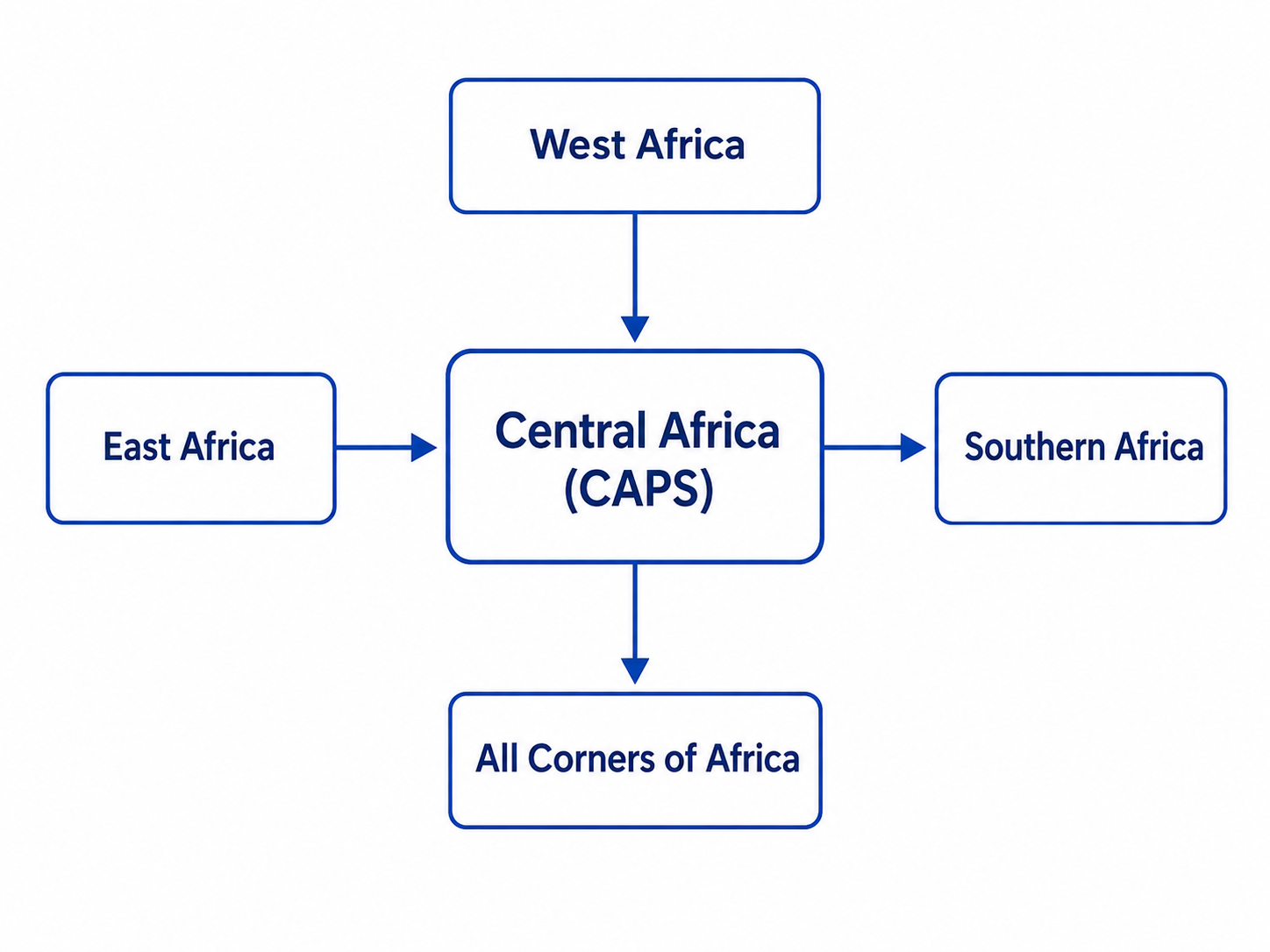
This interconnected spiderweb creates a resilient, direct energy highway capable of moving gas from Nigeria all the way to South Africa and into East Africa. It is a bold move, but it is the best move for Africa.
Connecting Nigeria to South Africa via a Central African bridge creates an unbreakable economic loop. The sustainability of such a project for our industrialization is massive for Africa.
When a factory in a landlocked Central African nation or a manufacturing plant in South Africa can rely on an uninterrupted flow of natural gas passing through a unified continental corridor, the cost of doing business plummets, creating long-term economic viability.
The discussions at the Africa Forward and the CEO Forum are over; now, let us see the actions behind the conversations. The era of treating African gas as a luxury for foreign markets while African factories suffer from chronic blackouts must end.
The future of African industrialization will not be decided solely in manicured convention centers. It will be forged in the industrial zones of Gabon, the gas fields of Angola, the transit corridors of the DRC, and the pipeline networks of CAPS. It is time for African states, regional blocs, and private sector titans to look past old biases and lay the steel in the ground. By building this interconnected backbone, Africa will finally stop fueling the development of other nations and start fueling its own glorious future.
Nathalie Lum
Chairwoman of CABEF

Laisser un commentaire